Key Use Cases
Tools in Detail
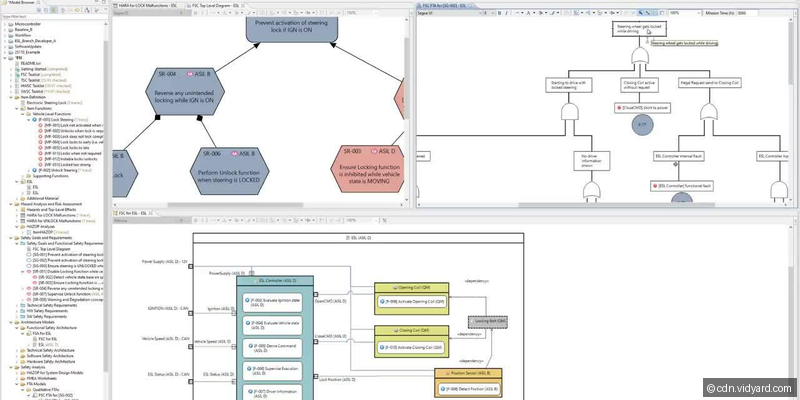
medini analyze
Specialist safety analysis tool from Ansys. Supports HARA, FTA, FMEA, FMEDA, and safety concept development following ISO 26262. The go-to tool for functional safety engineers at OEMs and Tier-1s.
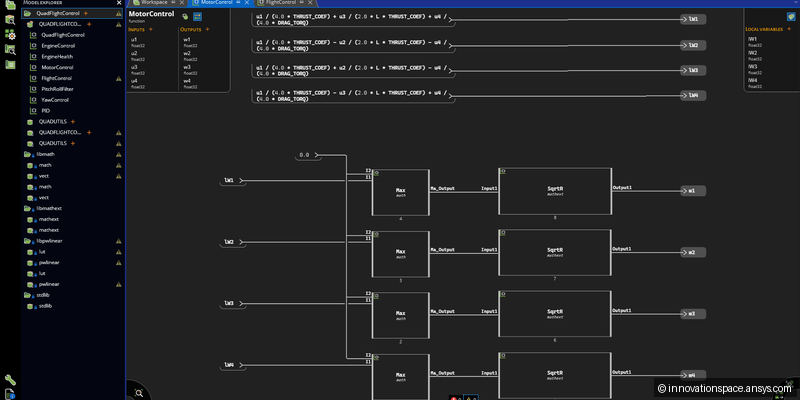
Ansys SCADE
Qualified model-based development environment with built-in safety analysis. KCG code generator is certified to ISO 26262 ASIL D, providing guaranteed code correctness by construction.
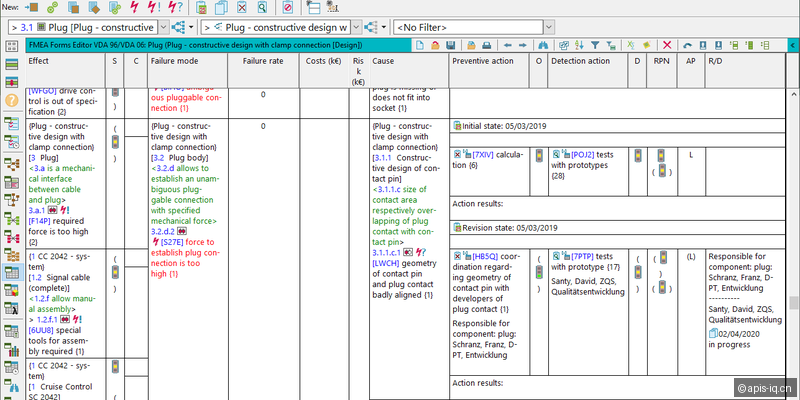
APIS IQ-FMEA
FMEA authoring and management tool widely used in German automotive. Supports structure trees, function nets, and failure nets following VDA/AIAG FMEA handbook methodology.
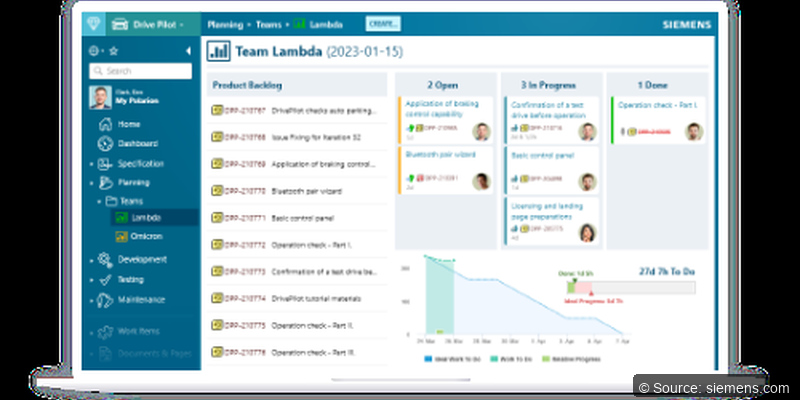
Polarion ALM
Siemens' application lifecycle management platform. Provides requirements management, test management, and traceability with built-in ASPICE and ISO 26262 project templates.
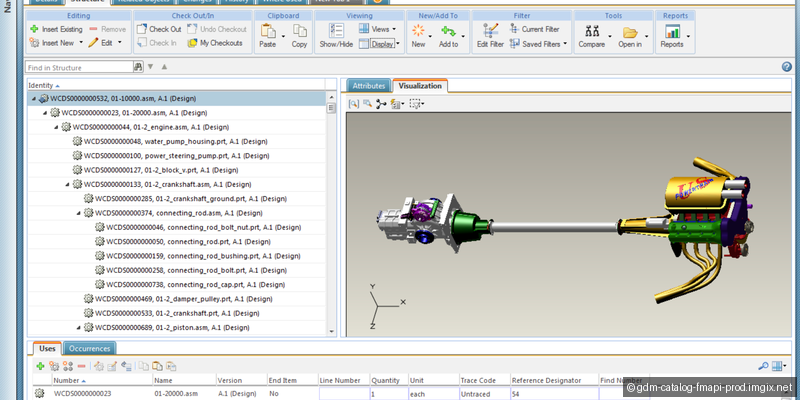
PTC Integrity (Windchill)
Requirements and change management platform. Strong in configuration management and variant handling, widely used at OEMs for managing complex multi-variant ECU projects.
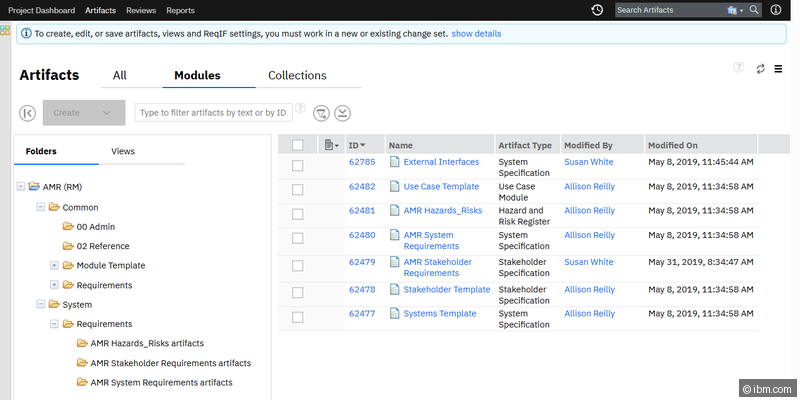
IBM DOORS / DOORS Next
The most established requirements management tool in automotive. Provides rich traceability, baselining, and change impact analysis. DOORS Next adds web-based collaboration.

Jama Connect
Modern cloud-based requirements management platform. Provides live traceability, review workflows, and risk management with a more intuitive UX than legacy tools.
Industry Context
ISO 26262 compliance is not optional - it's a legal and contractual requirement. The standard mandates specific engineering activities and tool-supported traceability from safety goals through requirements, design, implementation, and testing. ASPICE adds process maturity requirements. Together they create substantial tooling needs: safety analysis tools (FMEA/FTA), requirements management platforms, and documentation systems. The cost is significant, but a safety-related recall is orders of magnitude more expensive.
Typical Workflow
Starting at concept phase with HARA (medini analyze) to determine ASIL levels. Safety goals decompose into functional then technical safety requirements, managed in Polarion/DOORS/Jama with traceability. FMEA identifies failure modes driving additional requirements. Development follows ASPICE processes. Verification links back to requirements. The safety case - the structured argument the system is safe - accumulates evidence from all tools and processes throughout.
Selection Guide
Pro Tips
Establish traceability structure at project start - retrofitting before ASPICE assessment is extremely painful.
Keep safety analyses in sync with design - outdated FMEAs are a major finding in ISO 26262 audits.
Use requirements attributes (ASIL, status, verification method) consistently for automated completeness checks.
Plan for requirements changes - your tools and processes must handle change management with impact analysis.
The safety case is not one document at the end - it's a living argument. Start building from day one.