Key Use Cases
Tools in Detail
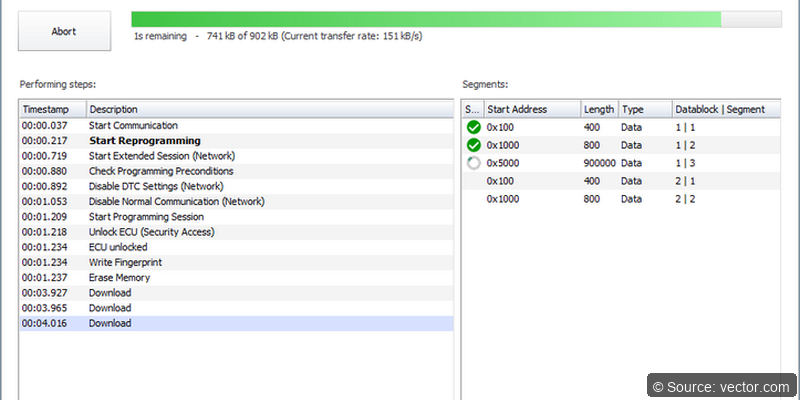
Vector vFlash
The most widely used standalone flashing tool. Supports UDS/KWP2000 protocols over CAN, FlexRay, Ethernet/DoIP. Handles ODX/PDX flash descriptions and OEM-specific flash sequences.
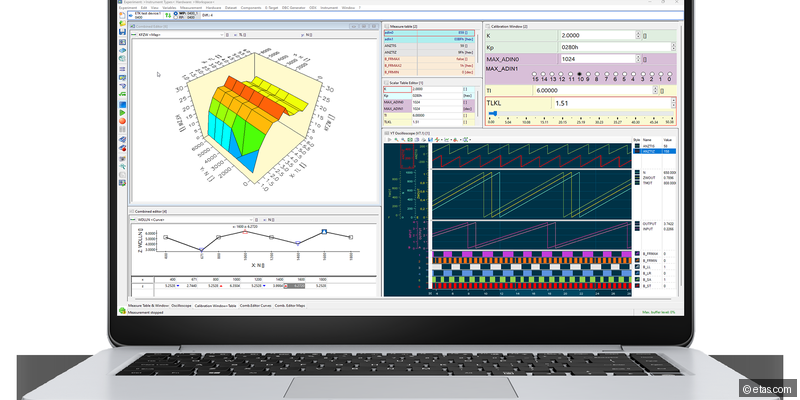
ETAS INCA Flash
Flash programming functionality within INCA. Primarily used for development flashing of calibration data and software during powertrain development, integrated with INCA workflows.
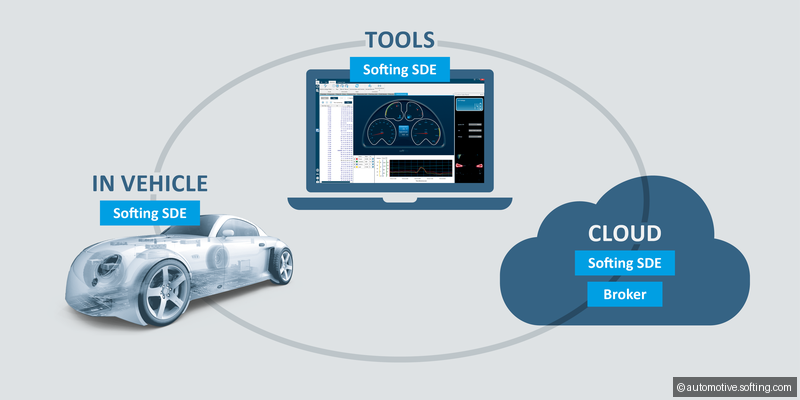
Softing FlashProgrammer
Flexible ECU programming tool supporting UDS and custom protocols. Used in production environments with support for parallel flashing of multiple ECUs simultaneously.
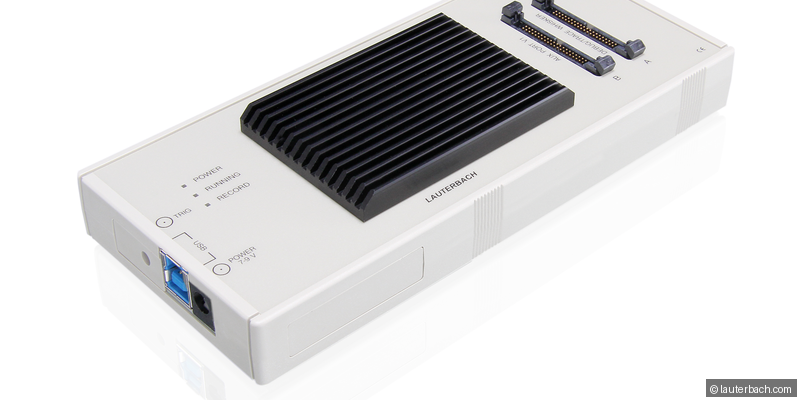
Lauterbach Flash
Flash programming via debug interface (JTAG/SWD). Bypasses the bootloader for direct memory access - essential during early development before bootloader is available.
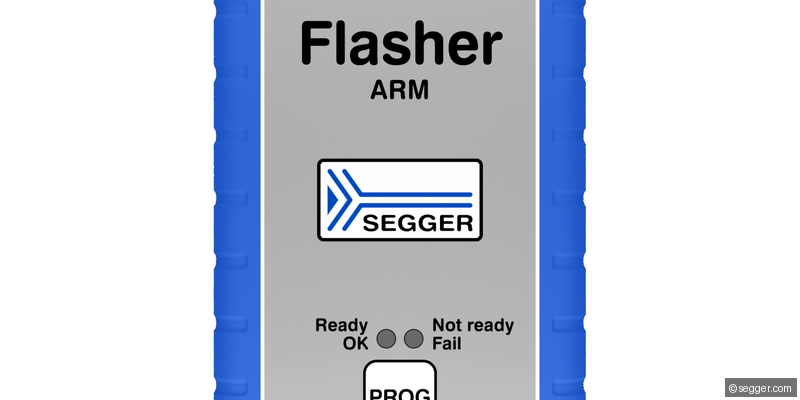
SEGGER Flasher
Standalone and in-circuit flash programmer from SEGGER. Cost-effective production programming solution supporting ARM, RISC-V, and other architectures.
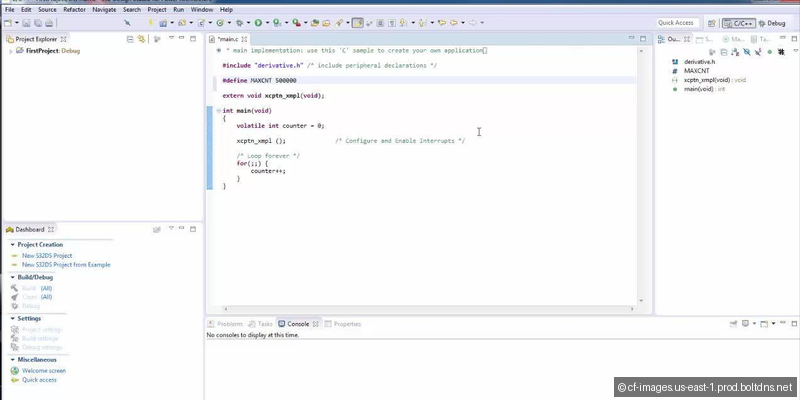
NXP S32 Flash Tool
Vendor-specific flash tool for NXP S32 family microcontrollers. Provides secure boot configuration, HSM programming, and memory partition management.
Industry Context
ECU flashing sits at the intersection of diagnostics, security, and software deployment. A modern vehicle contains 50-100+ ECUs, each requiring programming during production and updates throughout its lifetime. The process must be bulletproof - a failed flash that leaves an ECU undefined can brick the module. Security is critical: flash authentication prevents unauthorized modification that could compromise safety or enable odometer fraud. OTA updates are transforming this space, enabling remote software deployment.
Typical Workflow
Development uses debug-interface flashing (Lauterbach) during initial bring-up, then UDS-based flashing (vFlash) once the bootloader works. Each build generates a flash container (HEX/S-Record with ODX/PDX metadata). Production uses Softing FlashProgrammer for end-of-line programming at line speed. Field updates use OTA systems with the same bootloader infrastructure plus code signing and rollback protection.
Selection Guide
Pro Tips
Always verify flash checksum after programming - successful transfer doesn't guarantee correct content.
Keep a working Lauterbach flash setup as recovery for botched UDS flashes that corrupt the bootloader.
Capture UDS response codes when debugging flash failures - they specifically indicate the reason.
Measure and optimize flash time budget early - CAN-based flashing of 4+ MB applications takes minutes.
Implement flash rollback protection with a last-known-good fallback mechanism.